

Last Updated on November 19, 2026
Introduction
Secure Your Stay in Asia
Compare the top booking platforms for the best flexible cancellation policies and real-time availability.
Planning a trip to South Korea? Whether you’re visiting for the first time, exploring Seoul’s vibrant neighbourhoods, relaxing on Busan’s beaches or discovering Jeju Island’s natural beauty, this South Korea travel guide will help you plan an unforgettable holiday.
From choosing the best places to visit and finding the perfect hotel to planning your itinerary, booking activities and arranging travel essentials, everything you need is right here.
South Korea offers an exciting combination of traditional culture, modern cities, incredible food, shopping, scenic landscapes and unique experiences. With the right travel plan, you can explore everything from historic palaces and traditional villages to coastal attractions and beautiful mountain scenery.
Use this guide to discover South Korea itineraries, recommended hotels and resorts, popular activities and essential travel resources.
Planning your South Korea trip? Start here:
- Find hotels and resorts in South Korea →
- Discover the best things to do →
- Get a South Korea eSIM →
- Compare travel insurance →
Related Posts:
– Best Flight Booking Websites: #1 Cheap Flight
– Best Travel Insurance for Asia: No. 1 Guide
– Best eSIM for Southeast Asia: No. 1 eSIM
– Best Transport Apps in Asia: #1 Travel Guide
Disclosure: This article contains affiliate links. If you book or purchase through these links, we may earn a small commission at no additional cost to you. Some eSIMs, travel insurance policies or other products we recommend may be affiliate products that we have not personally purchased or used.
We also share personal experiences with eSIMs and travel insurance that we have purchased independently, including products purchased in our home country. These personal purchases are not affiliate relationships unless explicitly stated otherwise. Where we have personally used a product and have an affiliate relationship with the provider, we will disclose that relationship.
Table of Contents – South Korea Travel Guide
Before You Start Your Trip
Make your trip smoother by booking the essentials before following this.
- Choose Hotel: Find the right place to stay for your trip.
- Find Tours/Activities: Plan your next adventure and make your trip unforgettable.
- Compare Flight: Find the best flight deals and compare airlines.
- Travel Insurance: Flexible monthly travel insurance is a great option.
- Stay Connected: Get an eSIM before you arrive.
- Book Transport: trains, buses, ferries and transfers all in one place.
T-money Card: Purchase a T-money card at the airport or a convenience store. It works on Seoul’s buses, subways and even many taxis, making it the easiest way to get around the city.
Planning Your Trip to South Korea – South Korea Travel Guide
Before booking your flights, hotels and activities, consider how many days you have, which destinations you want to visit and what kind of holiday you prefer.
First-time visitors often combine Seoul with Busan, while travellers with more time can include Gyeongju, Jeonju or Jeju Island.
Best Time to Visit South Korea
South Korea has four distinct seasons, each offering a different travel experience.
- Spring (March–May): Enjoy cherry blossoms, pleasant temperatures and colourful parks.
- Summer (June–August): Experience beach destinations, festivals and lively summer activities, although heat, humidity and monsoon rainfall can affect plans.
- Autumn (September–November): Discover beautiful autumn foliage, comfortable sightseeing weather and scenic mountain landscapes.
- Winter (December–February): Experience snow-covered scenery, winter festivals, ski resorts and seasonal attractions.
For comfortable sightseeing, spring and autumn are popular choices.
How Many Days Do You Need in South Korea?
The ideal trip length depends on how many destinations you want to explore.
- 3–4 days: Focus on Seoul’s main attractions.
- 5–7 days: Combine Seoul and Busan.
- 8–10 days: Explore Seoul, Gyeongju and Busan.
- 12–14 days: Include Seoul, Jeonju, Gyeongju, Busan and Jeju Island.
If you’re visiting for the first time, a 7 days or 10 days itinerary offers a good balance of sightseeing, shopping, food and cultural experiences.
Explore detailed guides: South Korea 5 Days Itinerary | South Korea 7 Days Itinerary | South Korea 10 Days Itinerary
Best Places to Visit in South Korea – South Korea Travel Guide
South Korea has something for every traveller, from bustling metropolitan cities to traditional villages, coastal escapes and beautiful islands.
Here are some of the best destinations to include in your travel plans.
1. Seoul – The Best City for First-Time Visitors
Seoul is the perfect starting point for exploring South Korea. The capital combines historic landmarks, modern architecture, shopping districts, traditional markets and an exciting food scene.
Popular attractions include:
- Gyeongbokgung Palace
- Bukchon Hanok Village
- Myeongdong Shopping Street
- N Seoul Tower
- Hongdae
- Insadong
- Dongdaemun Design Plaza
- Lotte World
Whether you enjoy shopping, Korean food, history, K-pop culture or trendy cafés, Seoul offers plenty of experiences.
Where to stay: Myeongdong, Hongdae, Insadong, Jongno or Gangnam.
Explore: Best Things to Do in Seoul | Best Hotels in Seoul
2. Busan – Beaches, Seafood and Coastal Views
Busan is South Korea’s second-largest city and a popular destination for travellers looking for beaches, seafood, coastal scenery and a more relaxed atmosphere.
Top attractions include:
- Haeundae Beach
- Gwangalli Beach
- Gamcheon Culture Village
- Haedong Yonggungsa Temple
- Jagalchi Fish Market
- Songdo Cable Car
- Blueline Park
Busan is an excellent addition to a Seoul itinerary, with convenient high-speed train connections between the cities.
Where to stay: Haeundae, Seomyeon, Nampo or Gwangalli.
Explore: Best Things to Do in Busan | Best Hotels in Busan
3. Jeju Island – Nature, Beaches and Scenic Landscapes
Jeju Island is ideal for travellers who want to experience South Korea beyond its major cities.
Known for its volcanic landscapes, waterfalls, beaches, scenic drives and natural attractions, Jeju offers a completely different holiday experience.
Popular attractions include:
- Seongsan Ilchulbong
- Hallasan National Park
- Manjanggul Lava Tube (check current visitor access)
- Jeongbang Waterfall
- Hamdeok Beach
- Seopjikoji
- Jeju’s scenic coastal roads
Jeju is particularly suitable for couples, families, nature lovers and travellers looking for a relaxing getaway.
Where to stay: Jeju City, Seogwipo or Jungmun.
Explore: Best Things to Do in Jeju Island | Best Hotels in Jeju
4. Gyeongju – History and Traditional Korean Culture
Gyeongju is a fascinating destination for travellers interested in Korean history and heritage.
Once the capital of the ancient Silla Kingdom, the city features historic temples, royal tombs, traditional architecture and cultural attractions.
Don’t miss:
- Bulguksa Temple
- Daereungwon Tomb Complex
- Donggung Palace and Wolji Pond
- Cheomseongdae Observatory
- Hwangnidan-gil
Gyeongju is an excellent stop between Seoul and Busan.
Explore: Gyeongju Travel Guide
Read – Best Hotels in Gyeongju: 10 Places to Stay
5. Jeonju – Traditional Villages and Korean Food
Jeonju is famous for its traditional architecture, local food and cultural atmosphere.
Its most popular attraction is Jeonju Hanok Village, where visitors can explore traditional Korean houses, rent hanbok and sample local specialities such as bibimbap.
Explore: Jeonju Travel Guide
Read – Best Hotels in Jeonju: 7 Beautiful Stays
Search South Korea Flights
South Korea Itineraries: Plan Your Perfect Trip – South Korea Travel Guide
Choosing the right itinerary is one of the most important parts of planning your South Korea holiday.
Whether you have a few days or two weeks, the following travel routes will help you make the most of your visit.
3 Days South Korea Itinerary – Seoul Highlights
Best for: Short holidays and first-time visitors.
- Day 1: Gyeongbokgung Palace, Bukchon Hanok Village and Insadong.
- Day 2: Myeongdong, N Seoul Tower and Namdaemun Market.
- Day 3: Hongdae, shopping, cafés and local food experiences.
5 Days South Korea Itinerary – Seoul and Busan
Best for: Travellers wanting a combination of city sightseeing and coastal experiences.
- Days 1–3: Explore Seoul’s attractions, shopping districts and food markets.
- Day 4: Travel to Busan and visit Haeundae Beach.
- Day 5: Explore Gamcheon Culture Village, Jagalchi Market and Gwangalli Beach.
7 Days South Korea Itinerary – Seoul, Gyeongju and Busan
Best for: First-time visitors wanting a more complete South Korea experience.
- Days 1–3: Seoul sightseeing and shopping.
- Days 4–5: Gyeongju’s historical landmarks and traditional attractions.
- Days 6–7: Busan’s beaches, markets and coastal attractions.
10 Days South Korea Itinerary – Cities, Culture and Nature
Best for: Travellers who want a more comprehensive holiday.
- Days 1–4: Seoul.
- Days 5–6: Gyeongju.
- Days 7–8: Busan.
- Days 9–10: Return journey or additional sightseeing, depending on your departure arrangements.
14 Days South Korea Itinerary – The Complete Experience
Best for: Travellers with enough time to explore multiple destinations.
- Days 1–4: Seoul.
- Days 5–6: Jeonju.
- Days 7–8: Gyeongju.
- Days 9–11: Busan.
- Days 12–14: Jeju Island.
Allow for domestic flights or other transfers when planning the Jeju portion.
Want a more detailed day-by-day plan?
Explore all South Korea travel itineraries, including suggested routes, accommodation areas, transportation tips and recommended attractions.
Search South Korea Hotels
Best Hotels and Resorts in South Korea – South Korea Travel Guide
Choosing the right accommodation can make a big difference to your travel experience.
Whether you’re looking for a luxury hotel, a family-friendly resort, a boutique stay or budget-friendly accommodation, South Korea has plenty of options.
Best Areas to Stay in Seoul
- Myeongdong: Ideal for first-time visitors, shopping and convenient sightseeing.
- Hongdae: Great for younger travellers, nightlife, cafés and entertainment.
- Insadong and Jongno: Ideal for cultural attractions and traditional experiences.
- Gangnam: Suitable for luxury hotels, shopping and business travellers.
Read – Where to Stay in Myeongdong Seoul: No. 1 Best
Best Areas to Stay in Busan
- Haeundae: Best for beach resorts and coastal views.
- Gwangalli: Great for cafes, restaurants and views of Gwangan Bridge.
- Seomyeon: A convenient base for shopping, dining and public transport.
- Nampo: Suitable for markets and sightseeing.
Read – Best Hotels in Busan: 12 Places to Stay
Where to Stay in Jeju Island
- Jeju City: Convenient for airport access and northern attractions.
- Seogwipo: Great for waterfalls, nature and southern attractions.
- Jungmun: Ideal for luxury resorts and a relaxing holiday.
Read – Best Hotels in Jeju Island: 15 Places to stay
Incheon
Read – Best Luxury Hotels In Incheon: 10 Places
Find the Best Hotels in South Korea
Compare accommodation options based on your budget, location and travel style.
- Best Hotels in Seoul
Read:
– Best Hotels in Seoul: 7 Places to Stay
– Best Budget Hotels in Seoul: 10 Affordable
- Best Luxury Hotels in South Korea
- Best Hotels in Busan
- Best Resorts in Jeju Island
- Best Family Hotels in South Korea
Ready to book your accommodation?
Compare South Korea Hotels and Resorts →
Search Tours
Klook.comBest Things to Do in South Korea – South Korea Travel Guide
South Korea offers an incredible range of activities and experiences for different travel styles.
From cultural attractions and food tours to theme parks, scenic experiences and day trips, there is something for everyone.
Popular Activities in Seoul
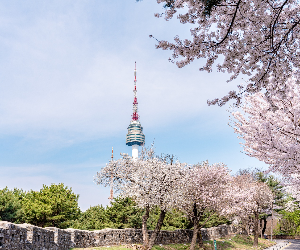
- Visit Gyeongbokgung Palace and rent a hanbok.
- Explore traditional Korean markets.
- Discover Korean street food.
- Experience Korean beauty and shopping districts.
- Visit N Seoul Tower
- Explore themed attractions and amusement parks.
Popular Activities in Busan
- Relax at Haeundae Beach.
- Ride the Busan Sky Capsule.
- Visit Gamcheon Culture Village.
- Discover local seafood markets.
- Explore coastal temples and scenic attractions.
Popular Activities in Jeju
- Visit Seongsan Ilchulbong.
- Explore Jeju’s waterfalls.
- Enjoy scenic coastal drives.
- Discover local cafes and traditional markets.
- Explore Hallasan’s hiking trails.
Book Your South Korea Activities
Save time by arranging popular attractions and tours before your trip, particularly when travelling during busy holiday periods.
Recommended booking:
- Theme park tickets
- Guided sightseeing tours
- Airport transfers
- Day trips and excursions
- Cultural experiences
- Food tours and cooking classes
- Attraction passes
Explore and Book South Korea Activities →
South Korea Travel Essentials – South Korea Travel Guide
A little preparation before departure can make your holiday much smoother.
Here are some important travel essentials to arrange before travelling.
1. South Korea Travel Insurance

Travel insurance is an important consideration when planning an overseas holiday.
A suitable policy may cover eligible medical expenses, trip cancellation, travel delays, baggage loss and other unexpected situations, depending on the policy terms.
Before purchasing, compare:
- Overseas medical coverage
- Emergency medical evacuation
- Trip cancellation and interruption
- Travel delay benefits
- Baggage loss and damage
- Activities and adventure sports exclusions
Compare South Korea Travel Insurance →
2. South Korea eSIM and Internet Access

Having mobile internet access makes travelling around South Korea much easier.
You can use your phone for navigation, translation, transport information, restaurant searches and online bookings.
An eSIM is a convenient option for compatible smartphones because you can arrange connectivity before departure without needing to purchase a physical SIM card.
Before buying, check:
- Whether your smartphone supports eSIM.
- Data allowance and validity period.
- Network coverage in your destinations.
- Whether hotspot sharing is supported.
- Whether the package includes a local phone number.
Compare South Korea eSIM Plans →
3. Transportation in South Korea
South Korea has an extensive public transportation network, making it relatively easy to explore major cities and travel between destinations.
Useful transportation options include:
- Subway: Convenient for exploring Seoul and Busan.
- KTX: High-speed train services connecting major cities.
- Local buses: Useful for reaching attractions outside central areas.
- T-money: A rechargeable transportation card accepted on many public transport services.
- Airport transfers: Convenient for travellers with luggage or families.
For longer journeys, check train schedules and ticket availability before travelling.
4. Money and Payments
South Korea uses the Korean won (KRW).
Although card payments are widely accepted, carrying some cash can be helpful for smaller purchases, traditional markets and certain local businesses.
Before departure, check your bank’s overseas transaction fees and make sure you understand your card’s international payment settings.
5. Visa and Entry Requirements
Entry requirements depend on your nationality, passport and travel purpose.
Check the official Korea Visa Portal and K-ETA website before departure to confirm whether you need a visa or electronic travel authorization.
Also check whether you need to submit an electronic arrival card.
Always verify the latest entry requirements before booking and travelling.
Essential South Korea Travel Tips for First-Time Visitors – South Korea Travel Guide
Here are some practical tips to help you enjoy a smoother holiday.
1. Plan Your Accommodation Around Transport
Choose a hotel near a subway station or convenient transport connections. This can save considerable time when exploring major attractions.
2. Download Useful Travel Apps
Consider downloading navigation, translation and transport apps before departure. Check their availability and compatibility on your device.
3. Learn a Few Basic Korean Phrases
Knowing simple Korean expressions can make everyday interactions easier.
Useful phrases include:
- Annyeonghaseyo – Hello.
- Gamsahamnida – Thank you.
- Eolmayeyo? – How much is it?
- Juseyo – Please give me.
4. Allow Enough Time for Transportation
Although South Korea has excellent transport connections, travel between attractions can take longer than expected.
Avoid scheduling too many activities in one day.
5. Check Seasonal Weather
Pack according to the season and check local forecasts before travelling, particularly during summer and winter.
6. Book Popular Attractions in Advance
Some popular experiences and attractions may require advance reservations, especially during weekends, public holidays and peak travel seasons.
7. Consider Staying in More Than One City
If you’re travelling for seven days or longer, consider splitting your stay between Seoul and Busan or including another destination.
This gives you a broader experience of South Korea beyond its capital.
Frequently Asked Questions – South Korea Travel Guide
Is South Korea worth visiting?
Yes. South Korea offers a combination of modern cities, historical attractions, shopping, food, cultural experiences, beaches and natural scenery. It is an excellent destination for couples, families, solo travellers and first-time visitors to Asia.
How many days are enough for South Korea?
Five to seven days is a good starting point for visiting Seoul and Busan. If you want to include Jeju Island, Gyeongju and other destinations, consider a 10–14-day trip.
What is the best month to visit South Korea?
Spring and autumn are popular seasons because of their generally comfortable sightseeing conditions and seasonal scenery. The best month depends on your interests and preferred weather.
Is South Korea expensive for tourists?
South Korea offers accommodation, food, transportation and activities across different price ranges. Your total travel budget will depend on your destination, accommodation preferences, dining choices and shopping expenses.
Is South Korea easy to travel around?
Yes. Major cities have extensive public transportation networks and KTX trains connect several major destinations. Planning transport in advance is helpful for longer trips.
Should I buy a South Korea eSIM?
An eSIM is a convenient option if your smartphone supports it. It allows you to access mobile data without changing your physical SIM card. Compare coverage, data allowances and validity before purchasing.
Do I need travel insurance for South Korea?
Travel insurance is worth considering for overseas trips. Compare medical coverage, cancellation benefits, travel delays, baggage protection and exclusions before choosing a policy.
Where should I stay in South Korea for the first time?
Myeongdong, Hongdae and Jongno are popular areas in Seoul for first-time visitors. In Busan, Haeundae and Seomyeon are useful accommodation bases depending on your travel preferences.
Conclusion – South Korea Travel Guide
South Korea is a destination that offers something for every kind of traveller. From Seoul’s exciting city life and Busan’s beautiful coastline to Jeju Island’s natural scenery and Gyeongju’s rich history, there are countless ways to experience the country.
The best way to enjoy your trip is to plan your itinerary, choose convenient accommodation, arrange your activities and prepare your travel essentials before departure.
Explore our complete South Korea travel resources below and start planning your next adventure.
Your South Korea travel planning starts here:
- Discover South Korea Hotels and Resorts
- Explore Things to Do in South Korea
- Find the Best South Korea eSIM
- Compare Travel Insurance

From bank to exploring Asia. Combining professional research with first-hand travel experiences to create practical hotels, tours, itineraries and travel guides.